Learning from Permaculture Principles
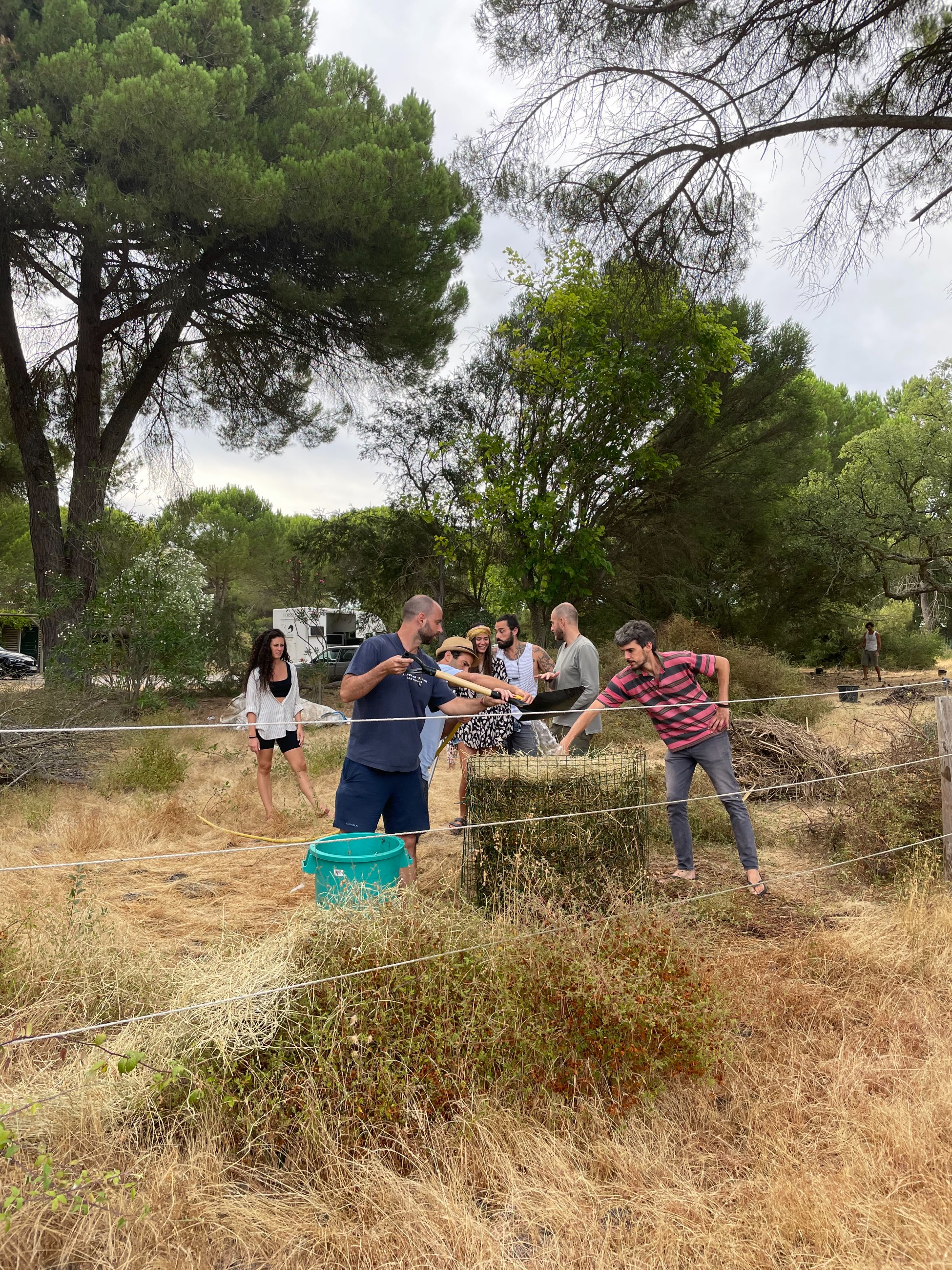
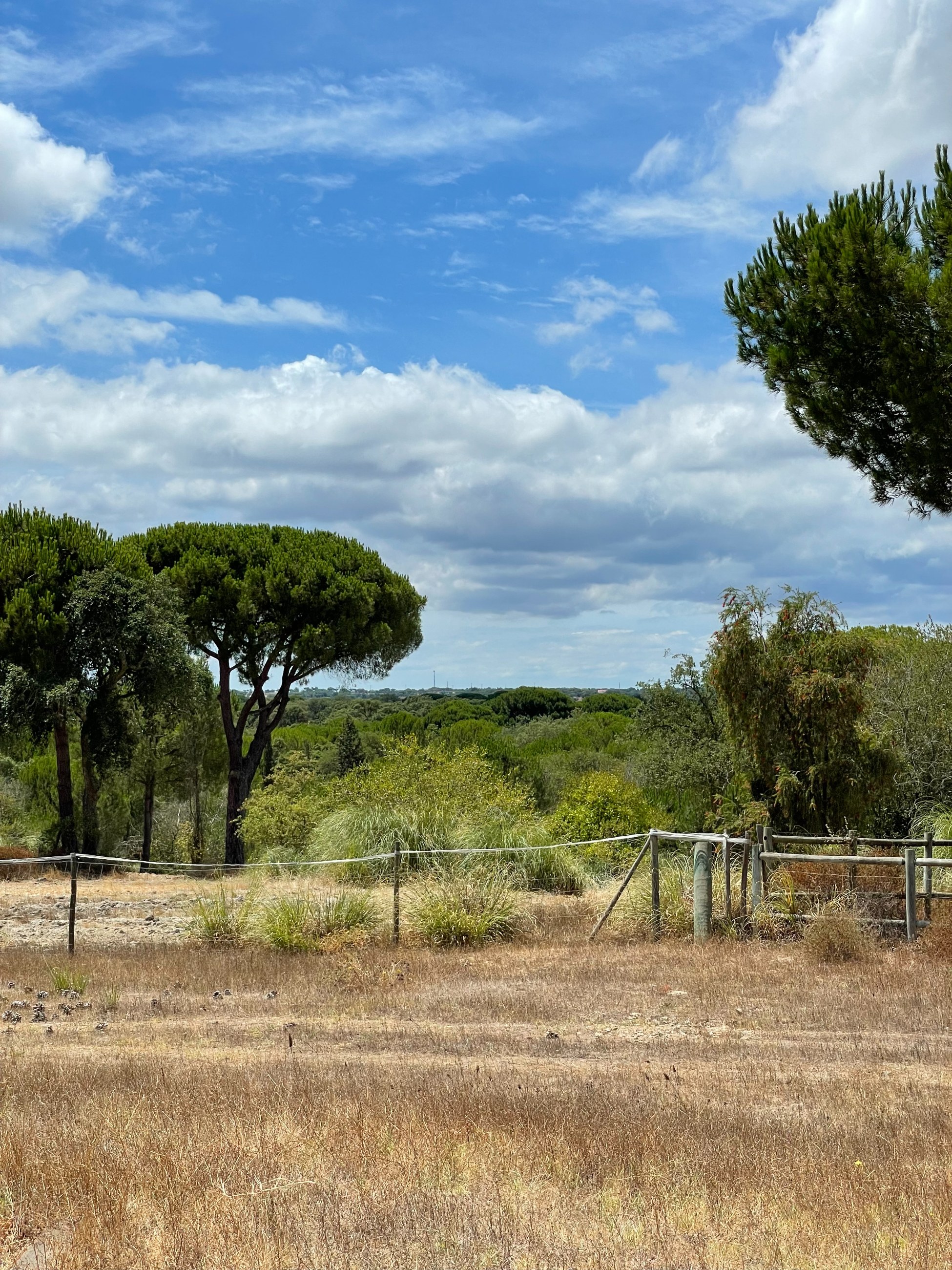
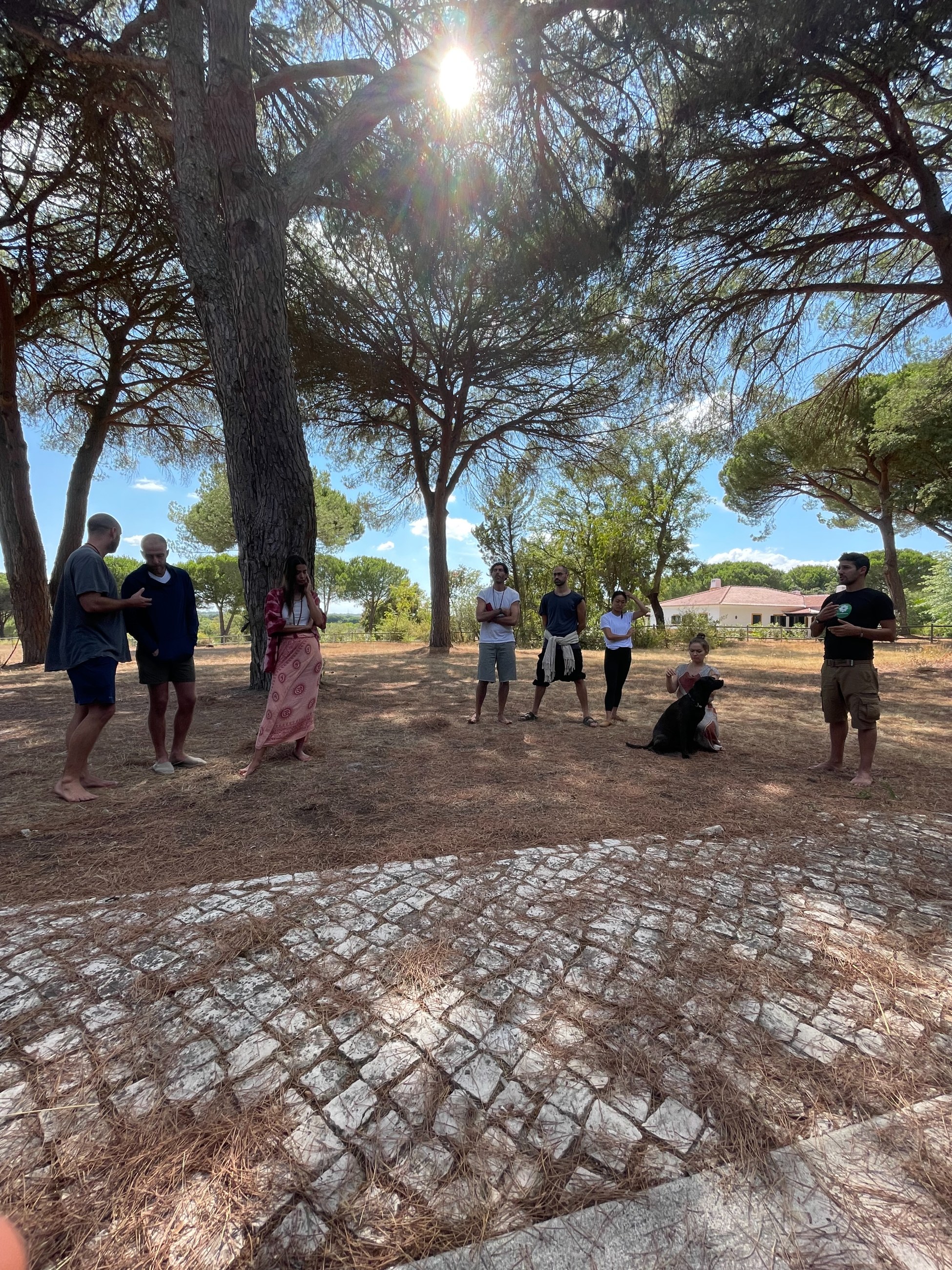
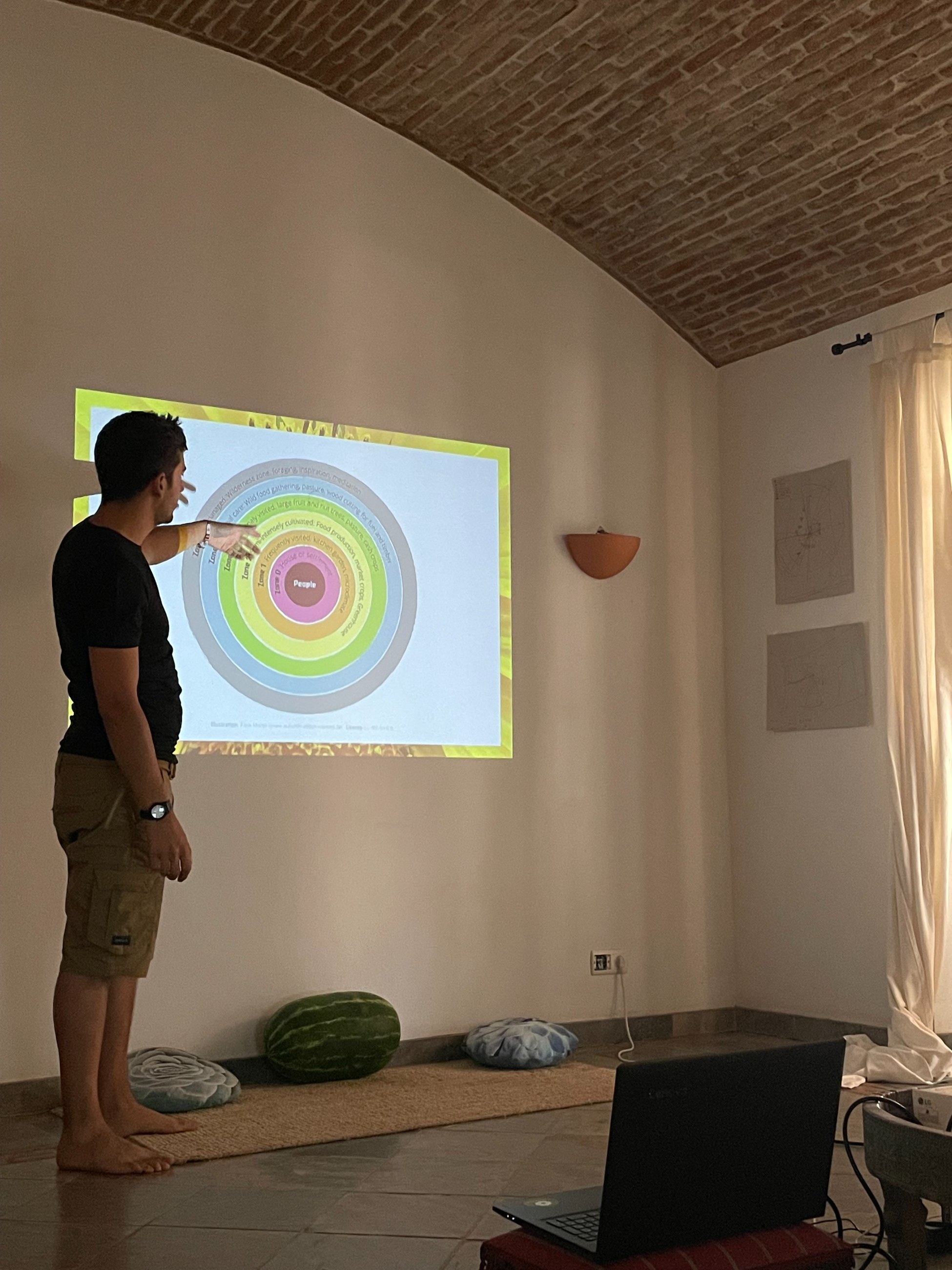
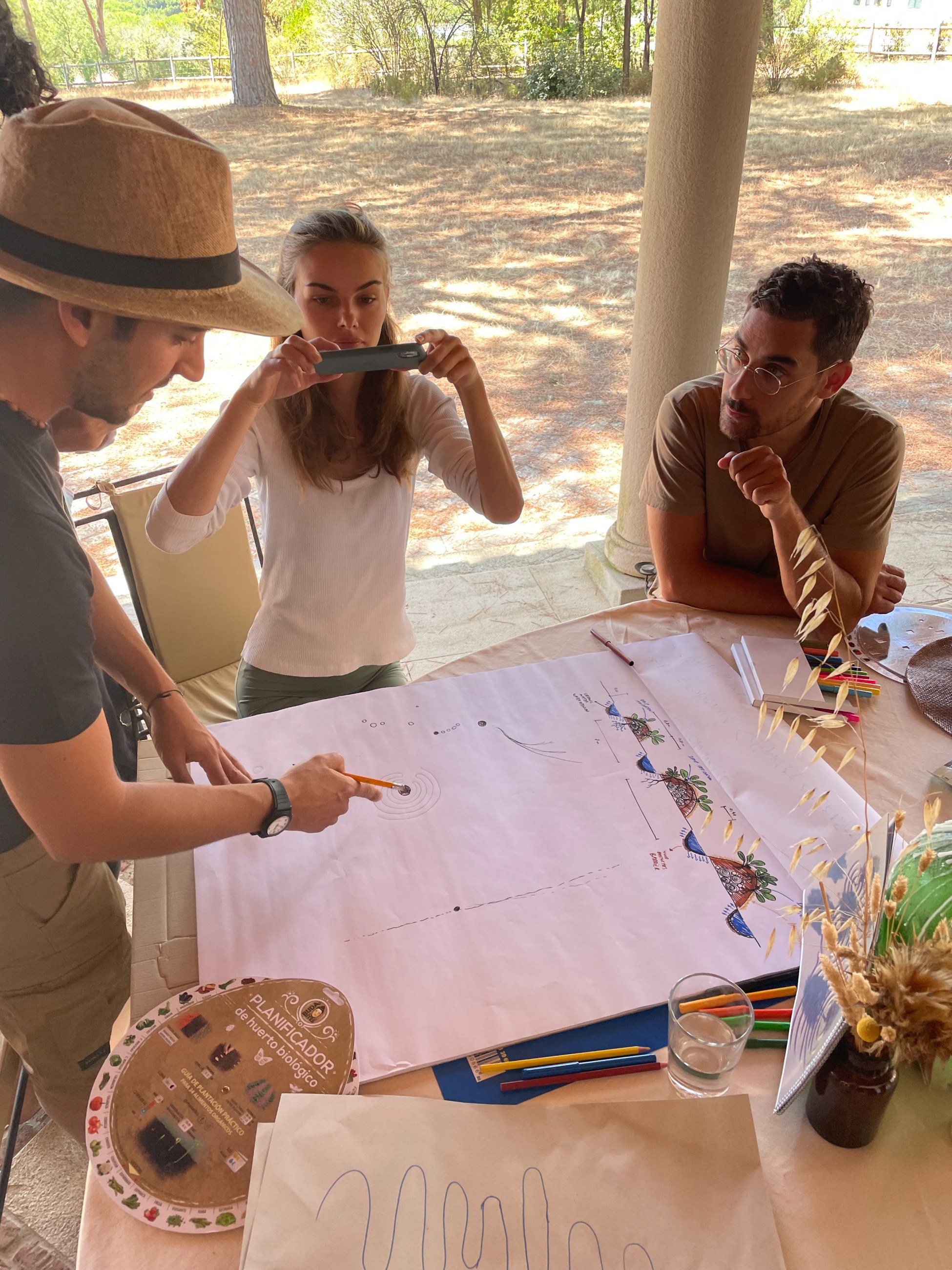
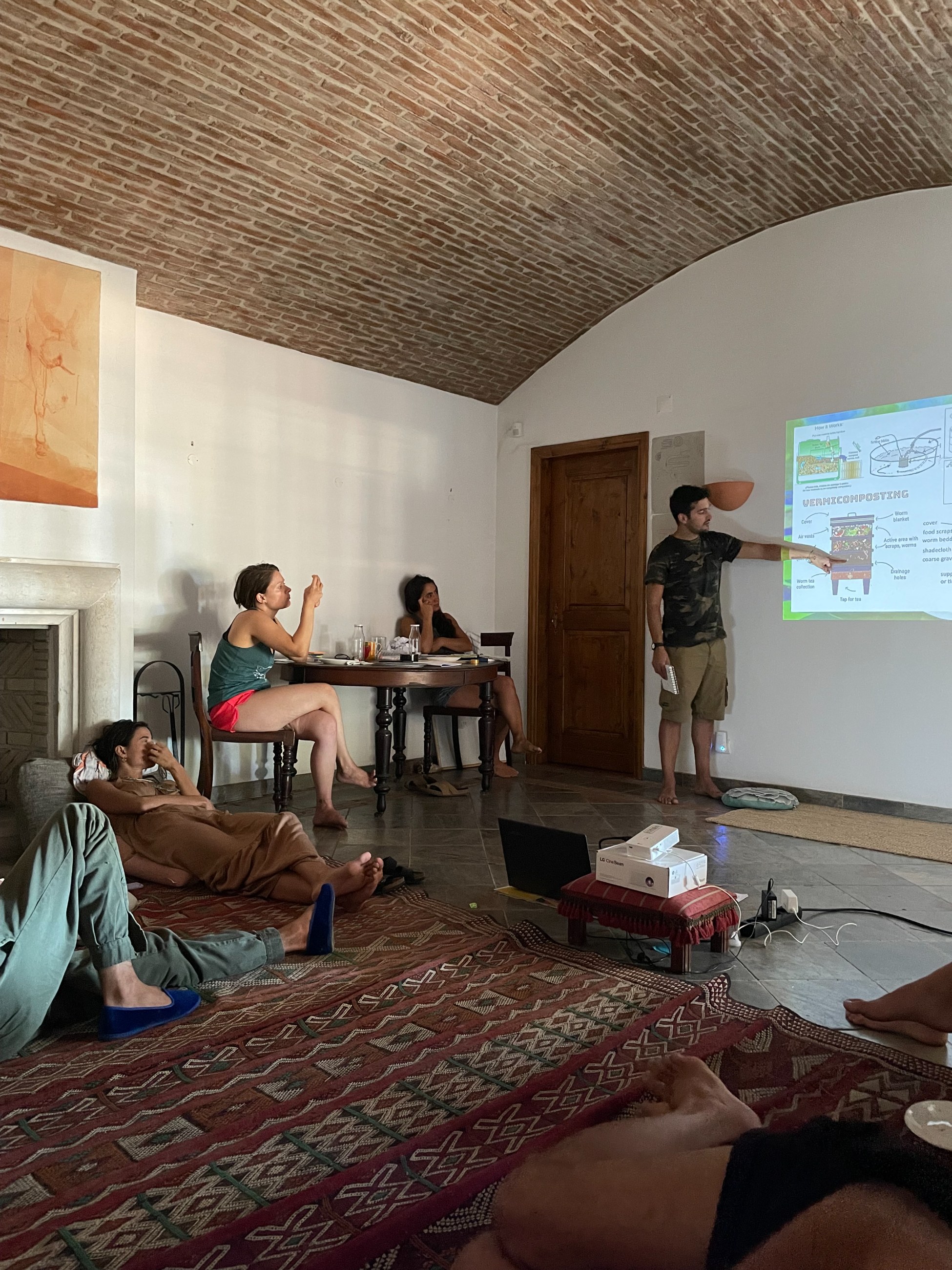
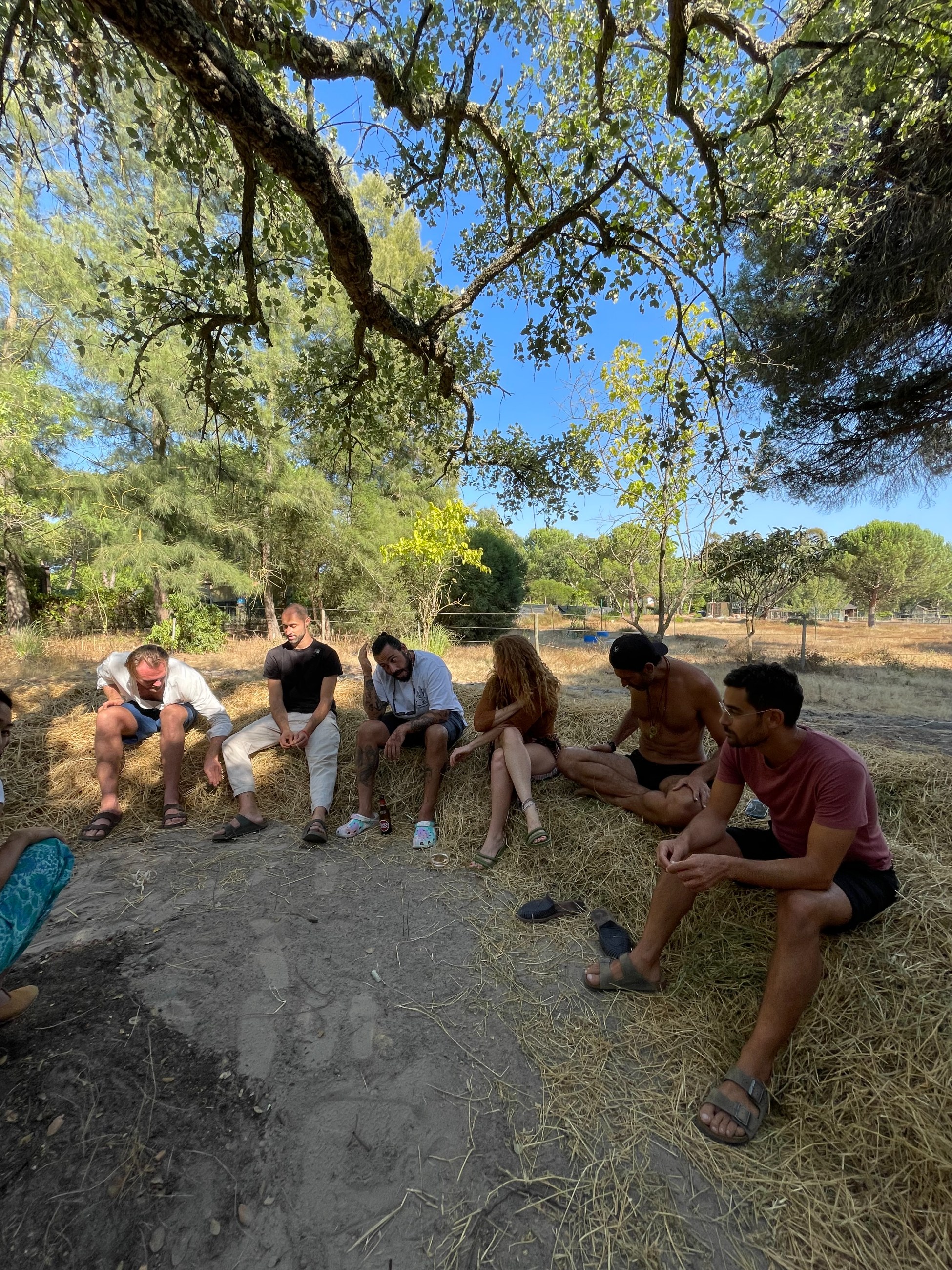
Peter and Sandro Valentino attended a week-long permaculture course in Santo Estêvão, Portugal run by Live with Earth, an organisation for sustainable development and circular economy. The course focused on building knowledge around sustainable food chains, from production to consumption, and included instruction on permaculture design.
At its core, the practice of permaculture uses an approach to farming and land management that is based on sustainable systems, restoration, and conservation, and is inspired by inherent processes that exist in nature’s ecosystems. Its philosophy rests on twelve central principles, many of which – such as the mandate to ‘catch and store energy’, ‘produce no waste’, and ‘use small and slow solutions’ – can be applied to building practices.
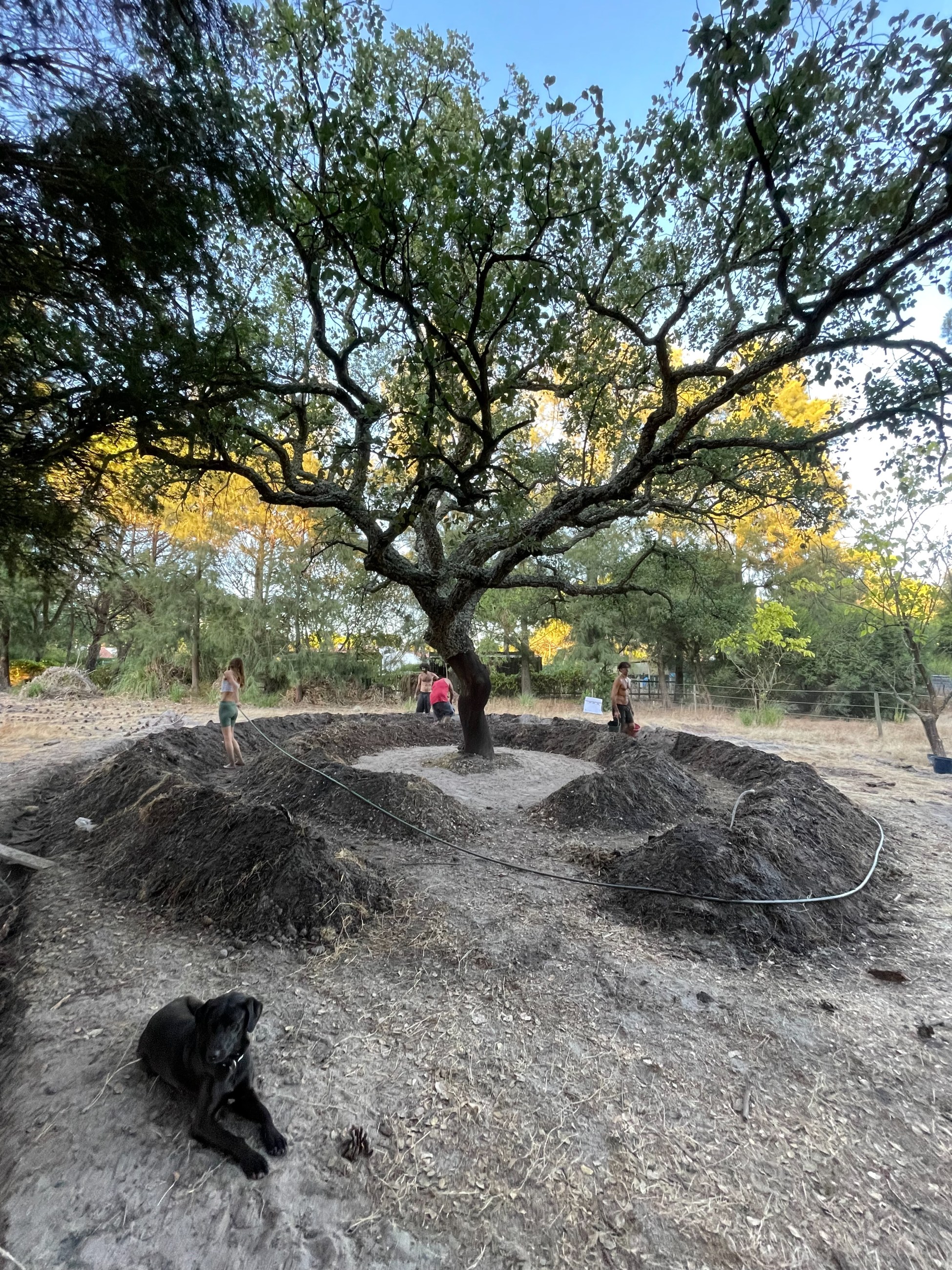
In parallel with tutorial and workshop-based learning, the course included a practical project where all participants joined together to build a vegetable garden on site. Using natural materials found in situ, the intent for the garden’s was to support the production of organic food through natural patterns that adapt directly to the land.
The course was valuable in extending our team’s knowledge on sustainable, waste-free practices, augmenting our interests in circularity and reduction of waste within the built environment. Architecture’s response to circularity translates into viewing buildings as material stores for the future, a subject our team has discussed and is committed to broadening through both practice and knowledge-sharing.