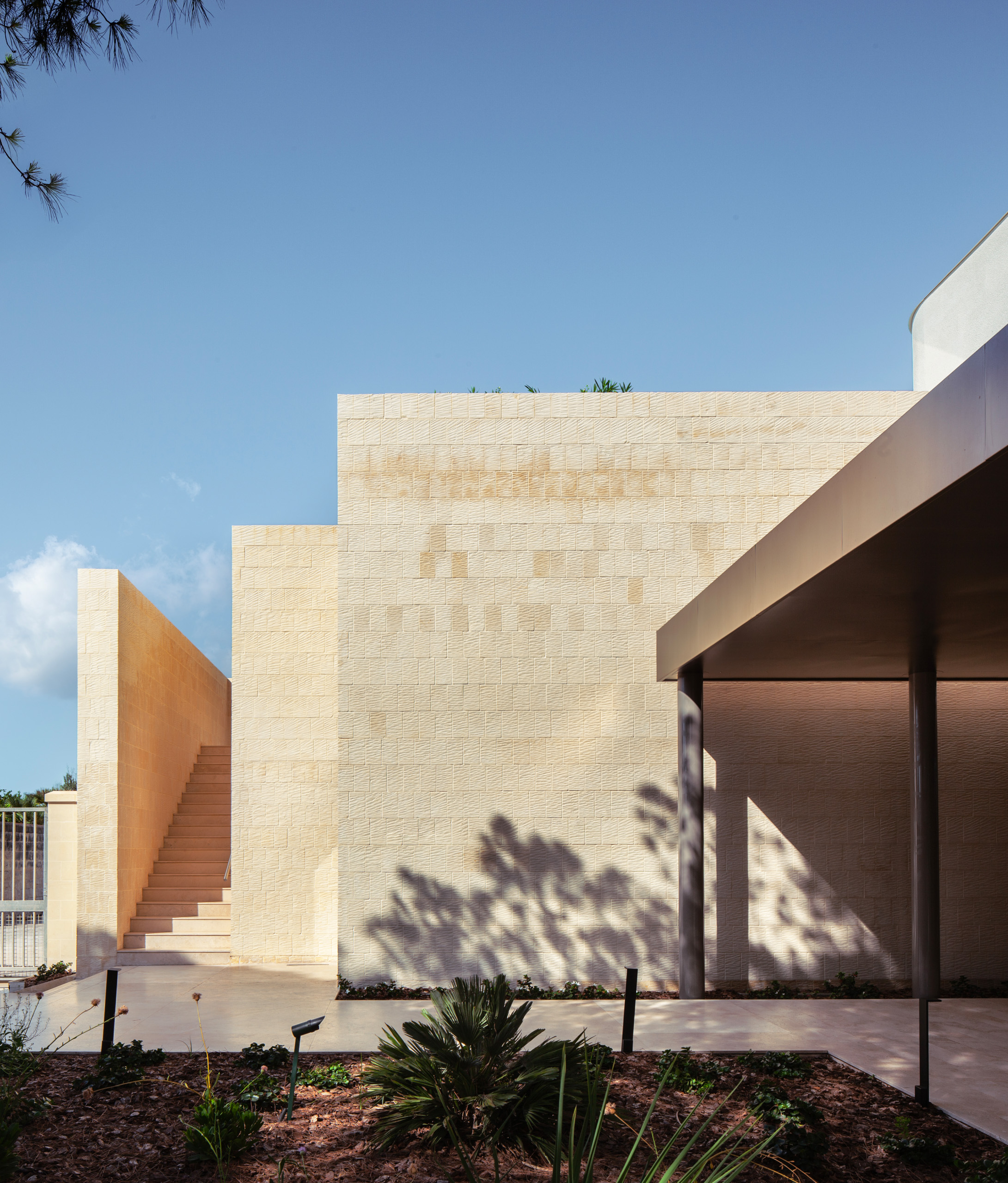
The Malta International Airport VIP Terminal project has been awarded the Hospitality Design Award at the 2025 Premju Emanuele Luigi Galizia, organised by the Kamra tal-Periti. It also played an integral role in Valentino Architects receiving the President’s Award – the highest honour in the field, recognising work that excels in design innovation, environmental responsibility, social inclusivity, and cultural significance.
The VIP Terminal has long operated as a detached building with two wings: the west wing dedicated to Commercially Important Persons (CIP) and the east for Ministerial and Diplomatic use. The project brief called for the demolition and reconstruction of the CIP terminal to expand its capacity – whilst retaining the east wing.
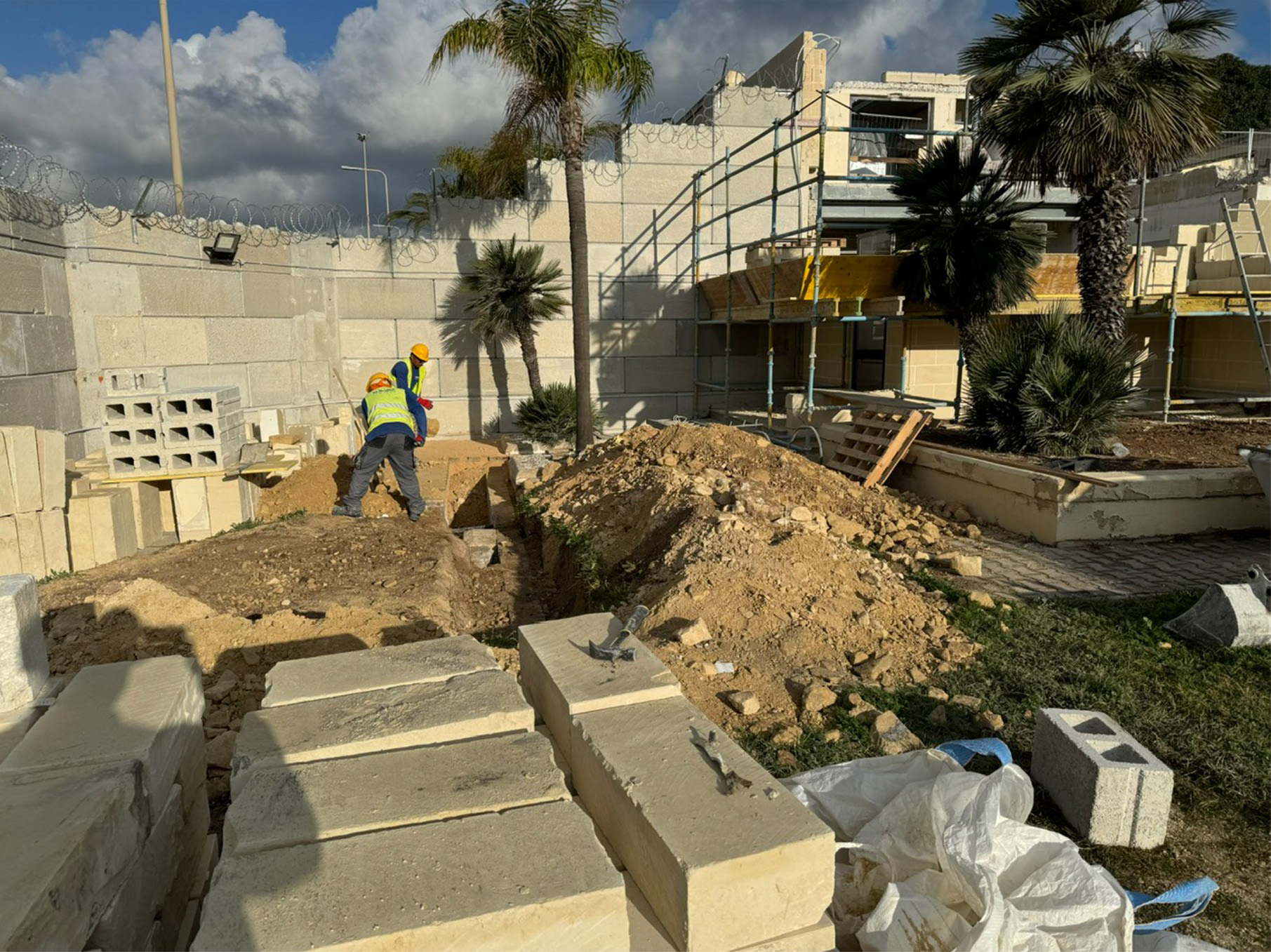
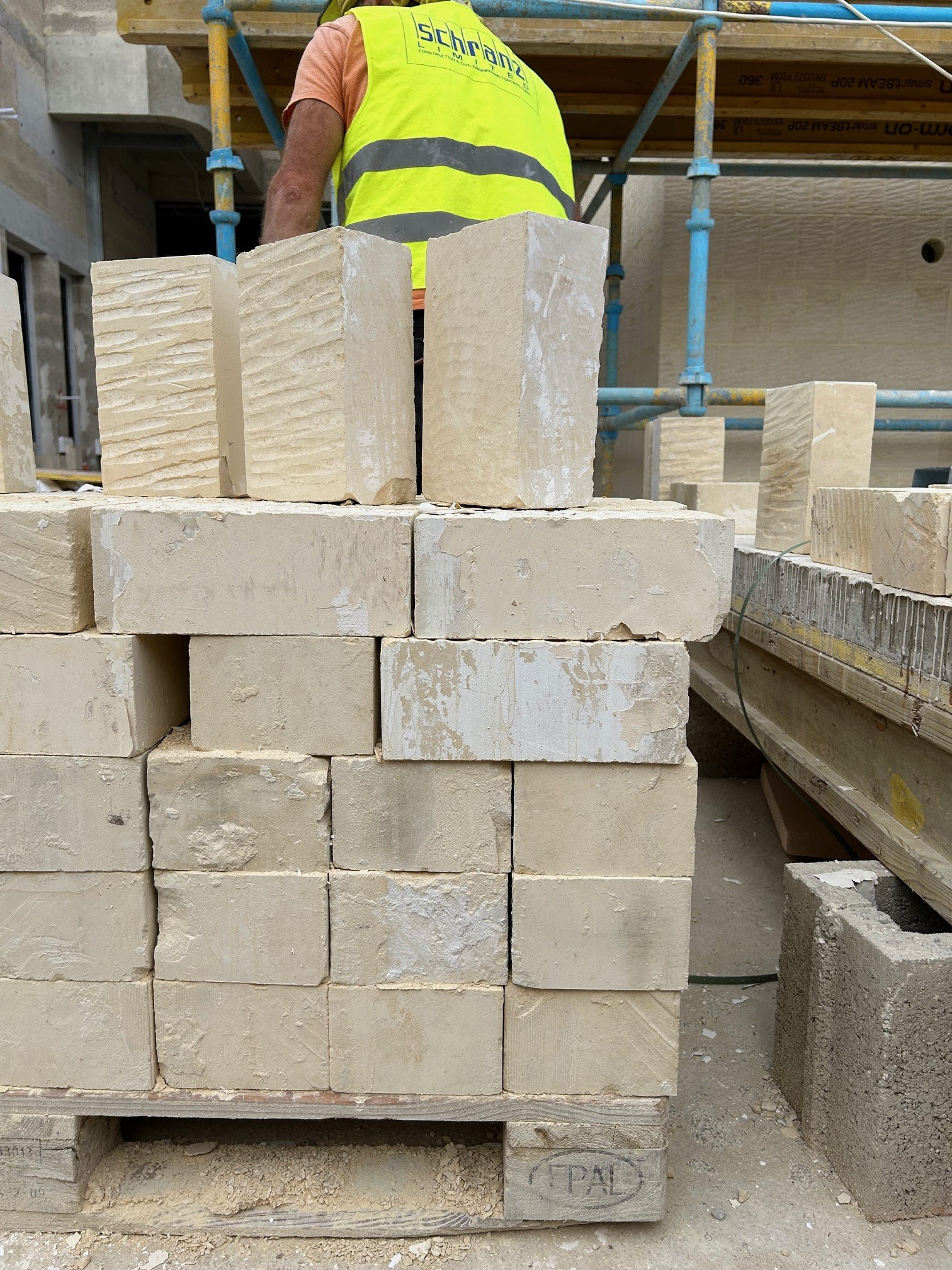
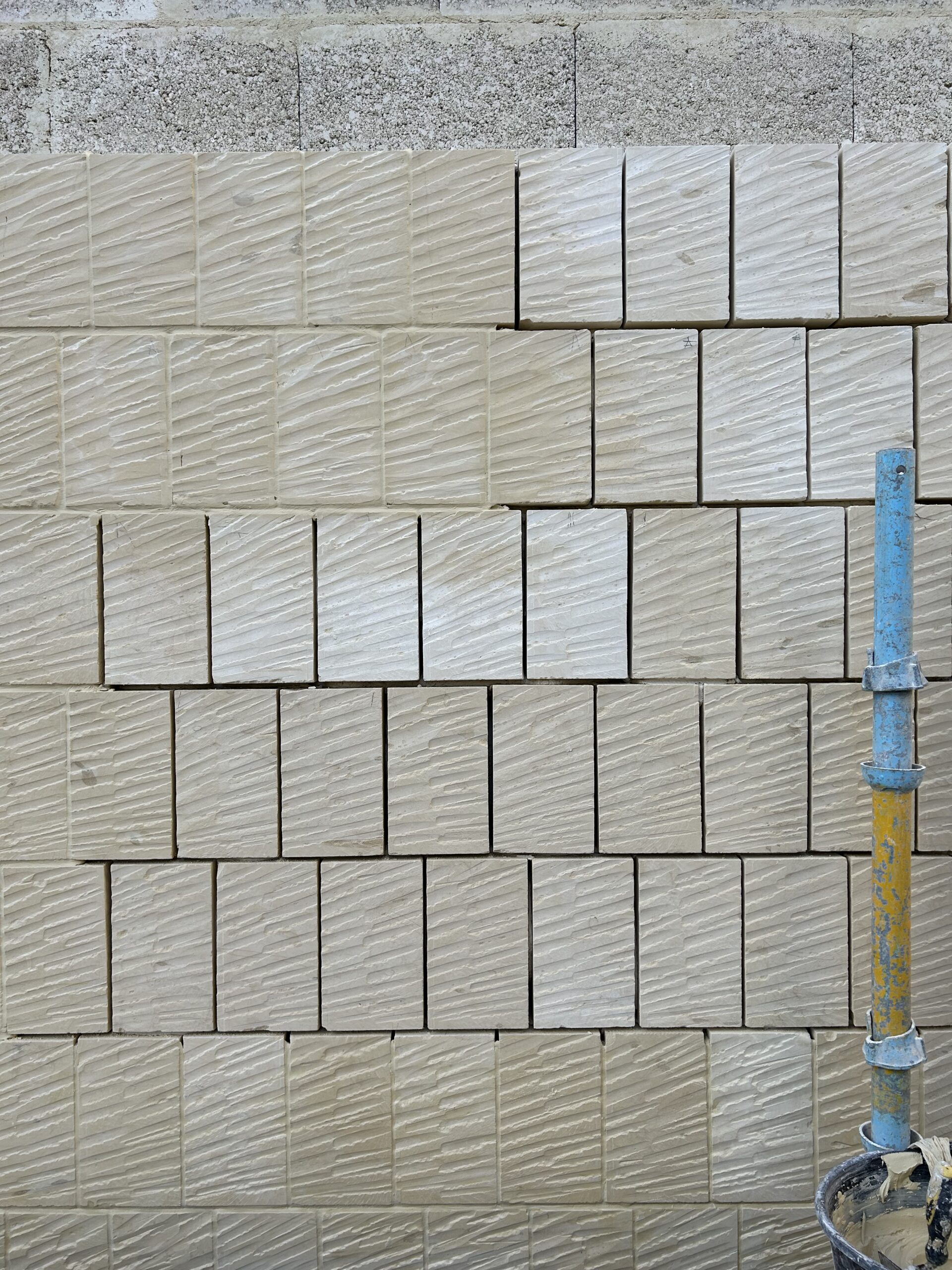
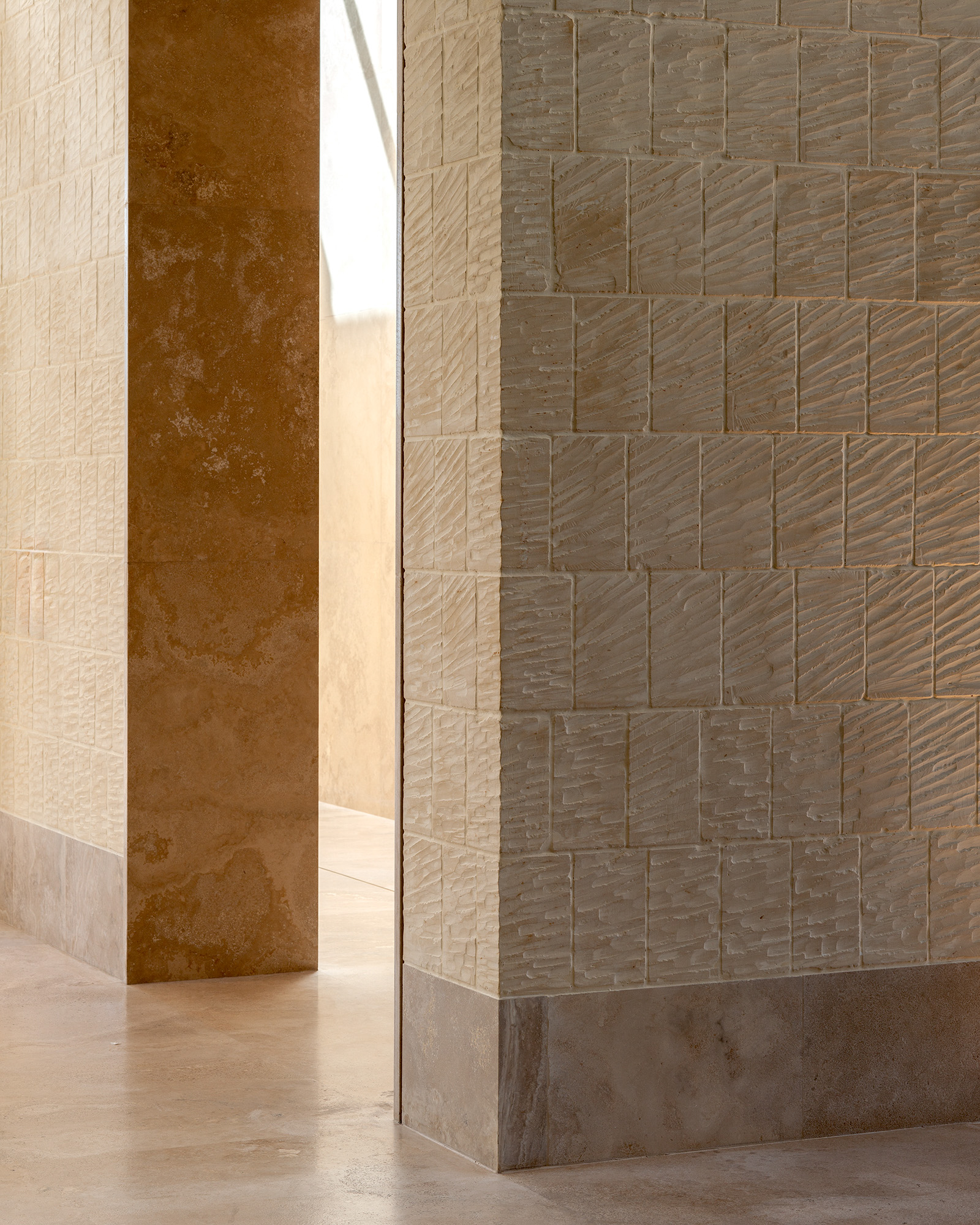
The former building’s stone structure was carefully deconstructed: its limestone blocks salvaged, sliced, and reworked to form a recycled stone facade for the new CIP terminal, rich in texture and rhythm, while avoiding the environmental cost of quarrying new stone.
The nature of this project gave Valentino Architects the opportunity to explore sustainable building solutions. In this case, to a foremost sustainability issue in Malta: large amounts of Maltese limestone, a precious natural resource, is discarded and sent to landfill through the majority of demolition projects on the island.
The recycled stone is central to the building’s identity: a clear demonstration of how recycled limestone can be elevated to meet the standards of a high-end architectural project. If recycled stone can be elevated to the highest standards of a VIP terminal, then it follows that it can also be applied to the collective architecture of the Maltese islands.
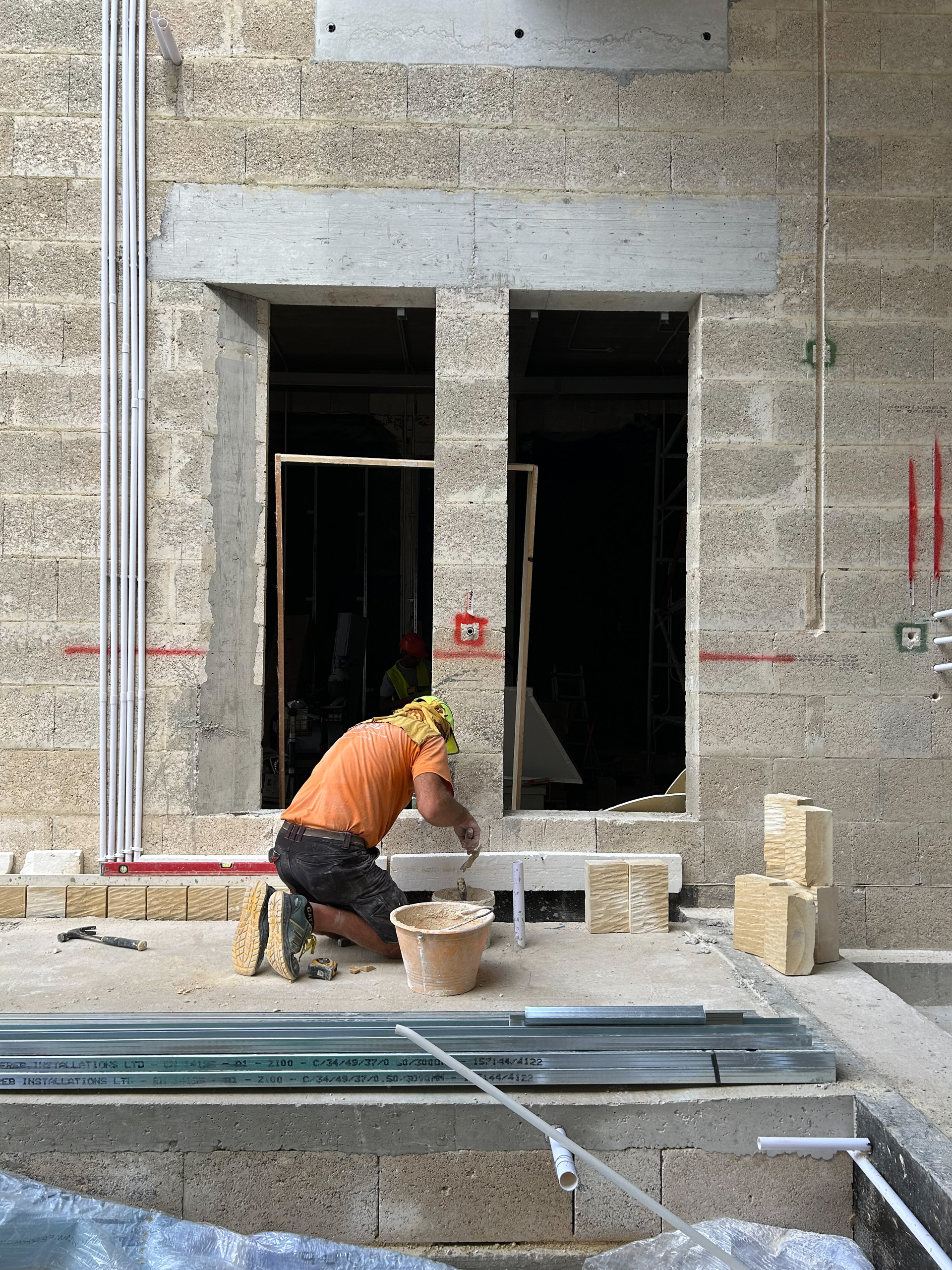
If adopted, this approach can have a widespread impact to sustainability in Malta’s architecture. Below is a playbook for how this was done – we call this the ‘loaf of sliced bread’, where a deconstructed limestone block is compared to a loaf of bread: old crust on the outside, yet a fresh surface revealed with every slice. In the case of the VIP terminal, application of texture to the freshly revealed surface(s) obscures the damaged corners on the deconstructed blocks to give a consistent finish – although this may not always be necessary.
We hope that the idea is understood, adopted, and applied repeatedly throughout the industry – either as is, or modified to suit the new project’s needs.
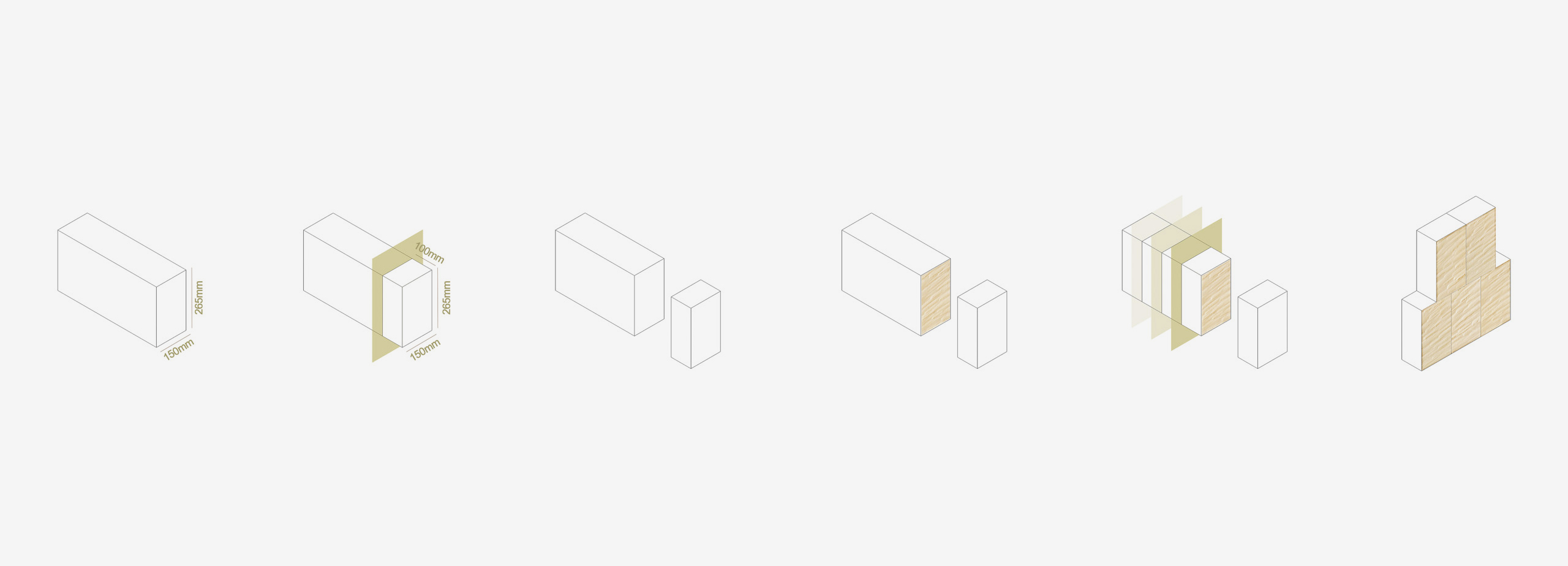
1. Stone block retrieved from deconstructed building site; 2. Slice to reveal fresh stone surface(s); 3. Retrieve 100mm thick stone; 4. Apply texture to obscure corners damaged during deconstructed process; 5. Repeat over the full length of the stone; 6. Build recycled stone facade, mechanically fixed to structural walls.